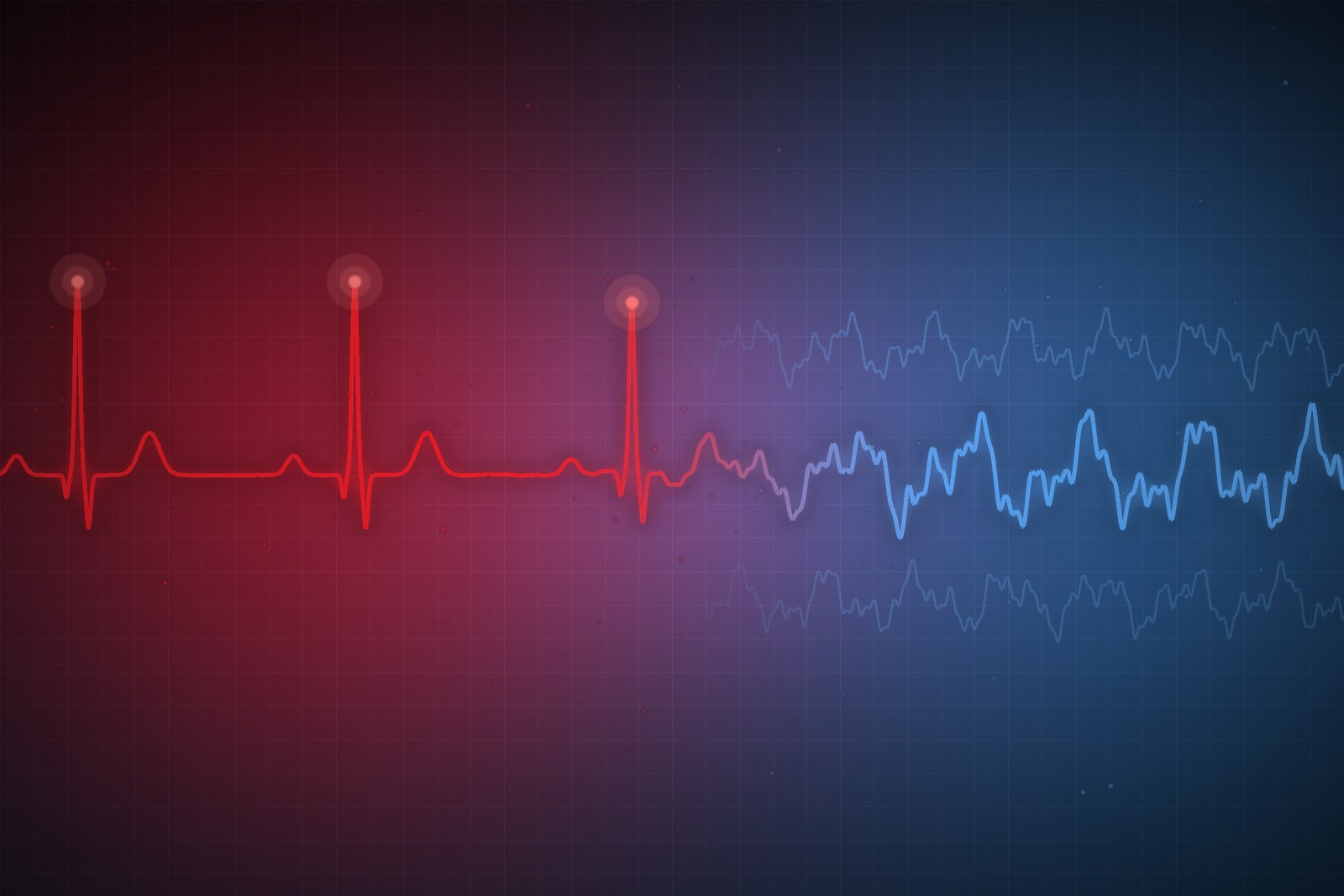
The heart and brain are intricately connected, working together to sustain life, preserve neurological function, and influence recovery following cardiac arrest in the community and life-threatening illness in acute care settings. Understanding this dynamic relationship is essential to advancing cardiovascular and neurological care, improving resuscitation outcomes, and optimizing survival with meaningful neurological recovery.
This conference will explore the heart–brain connection through the integration of cardiovascular science, neuroscience, emergency care, and evidence-based resuscitation practices. A central focus will be the integration of the International Liaison Committee on Resuscitation (ILCOR) and its international consensus on resuscitation science into clinical practice, education, and healthcare systems. By translating the latest evidence and international recommendations into practical strategies, participants will examine opportunities to strengthen the chain of survival, enhance early recognition and intervention, improve the quality of cardiopulmonary resuscitation (CPR), and advance post-cardiac arrest care.
Through interdisciplinary collaboration, emerging research, and clinical perspectives, the conference will address how coordinated heart and brain care can influence outcomes across the continuum of resuscitation—from prevention and early intervention to stabilization, neurological recovery, and long-term quality of life. Integration of patient partner perspectives will enhance the humanity associated with acute care and its effects on people, families and communities.
A first-time gathering
A unique feature of this conference is that, for the very first time, representatives and leaders from organizations with the same goal but different perspectives will meet together. In addition to ILCOR and BC Critical Care, attendees will represent:
- Canadian Resuscitation Outcomes Consortium (CanROC): a network of Emergency Services and resuscitation scientists from communities across Canada who share cardiac arrest data.
- Canadians Saving Arrest Victims Everywhere (CanSAVE): a collective of resuscitation scientists from across Canada and internationally, working to dramatically transform the response and treatment of cardiac arrest.
- Global Out-of-Hospital Cardiac Arrest Registry (GOHCAR): a group of countries around the world working together to collect and share individual patient data to learn from each other.
Bringing together patients, healthcare providers, researchers, educators, resuscitation experts, healthcare leaders and policy-makers, this conference aims to bridge scientific discovery and clinical application. Together, participants will explore innovative approaches to implementing ILCOR consensus recommendations, fostering collaboration across disciplines, and advancing a shared vision of care that prioritizes not only survival, but also the preservation of brain function and the potential for meaningful recovery.
The ultimate goal is to transform our understanding of the heart–brain connection into integrated, evidence-informed action that saves lives, protects neurological function, and improves outcomes for patients and their families.